
FOWPAL Convenes Global Leaders at Summit on Love and Peace in Toronto: Building a Peaceful and Sustainable Future Through Conscience, Transparency, and Integrity
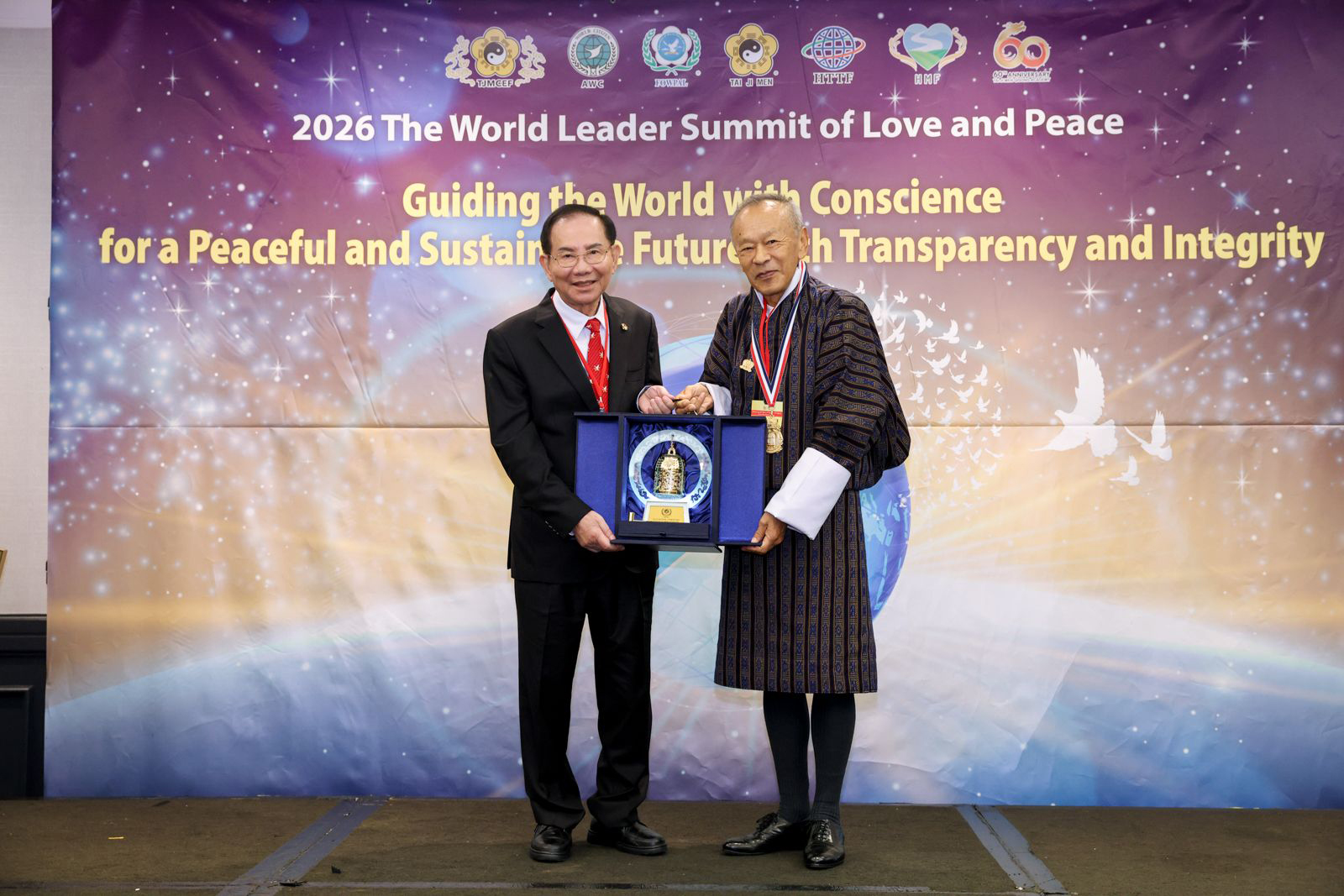
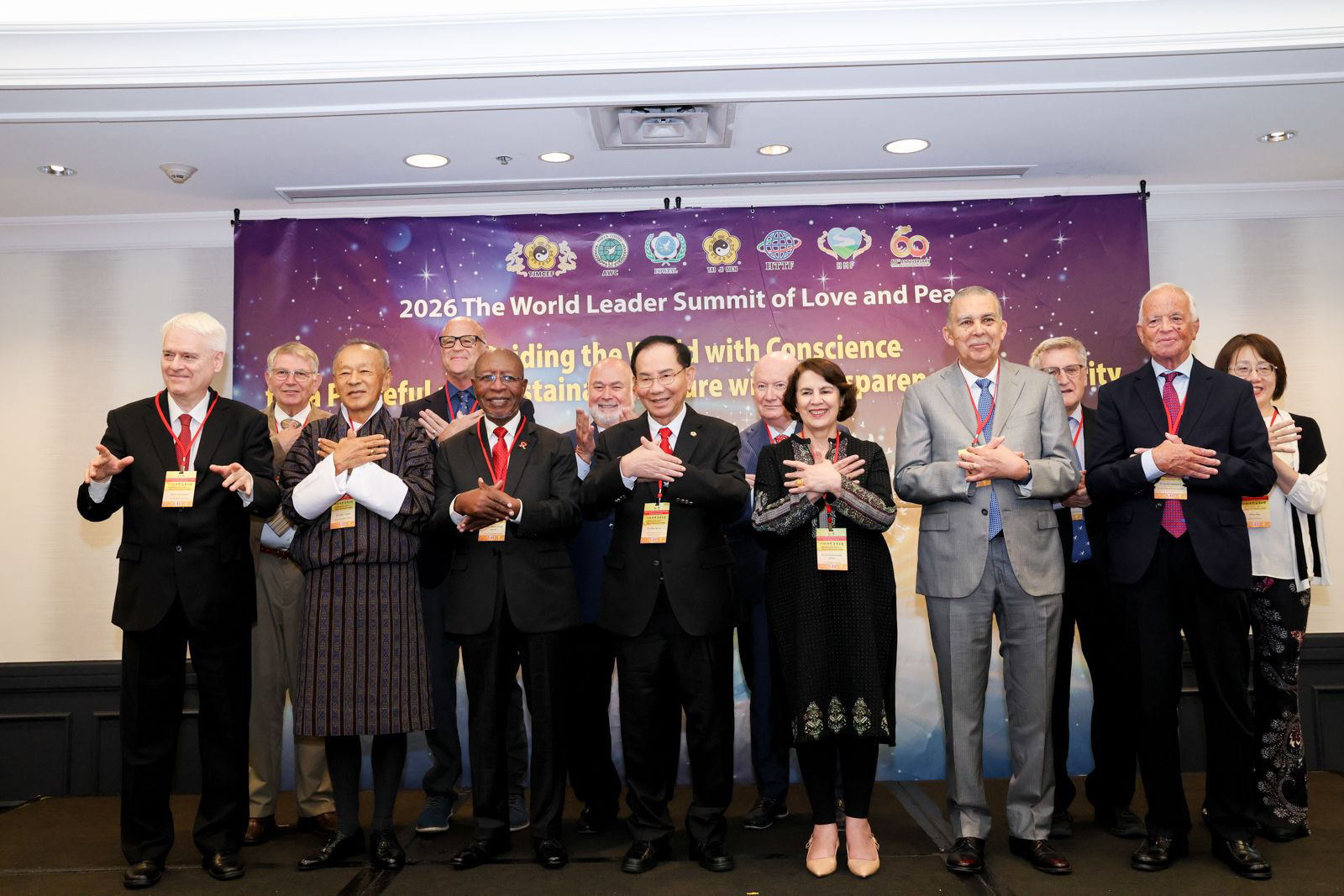 The World Leader Summit of Love and Peace, organized by the Federation of World Peace and Love (FOWPAL), was held on the afternoon of October 2 at the Courtyard by Marriott in Toronto, Canada. The summit brought together international leaders from more than 10 countries, former heads of state, a co-leader of a humanitarian movement that received the Nobel Peace Prize, and leaders of international organizations for in-depth discussions on peace, trust, environmental sustainability, and humanity’s shared future. During the summit, former Prime Minister of Bhutan Jigmi Y. Thinley endorsed the Declaration of Transparency and Integrity. Dr. Hong Tao-Tze, President of FOWPAL and zhang-men-ren of Tai Ji Men, presented the World Love and Peace Golden Bell Award to Thinley and also presented symbolic works of art and gifts to participants.
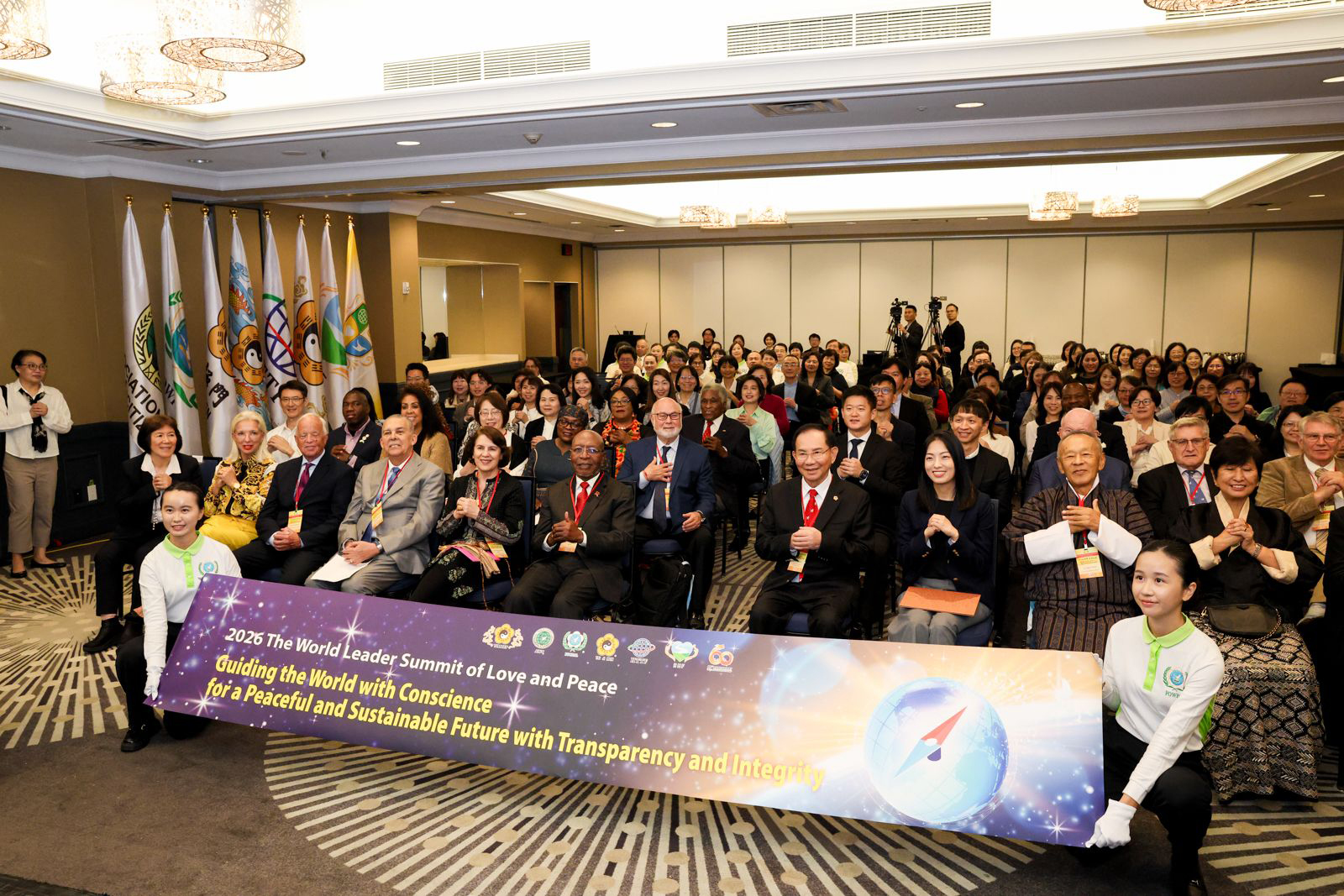 In his remarks, Dr. Hong stated that human life depends on three essential elements: sunlight, air, and water. Likewise, forging a path toward sustainable peace for all humanity requires three fundamental elements: integrity, transparency, and conscience. Dr. Hong emphasized that FOWPAL’s vision of peace is concerned not only with addressing external conflicts, but also with awakening inner peace within every individual. When people’s hearts are filled with greed, fear, hatred, and prejudice, society can remain divided and indifferent even in the absence of armed conflict. Peace that is truly powerful and enduring, he said, must begin within each individual and then extend outward to families, communities, nations, and the international community. When people are willing to reflect on their own words and actions—with less blame and more understanding, less deception and more honesty, and less self-interest and more compassion—peace can be transformed from an abstract ideal into a way of life.
Former Prime Minister of Lesotho Pakalitha Bethuel Mosisili expressed support for the Declaration of Transparency and Integrity, emphasizing that peace and sustainable development depend not only on institutions and policies, but also on the values that guide our actions.
 Former President of Ecuador Rosalía Arteaga Serrano addressed the ethical dimensions of climate change, artificial intelligence (AI), and technological transformation. She stressed that the critical question facing humanity is not simply what AI “can do,” but what we “should allow it to do.” Shaping the future, she noted, cannot be merely a technological or economic undertaking; at its core, it is a human and ethical responsibility. Arteaga also emphasized that education plays a central role in shaping conscience and values. Teachers, she said, do more than impart knowledge: they inspire and guide young people, helping them discover their capacity to bring positive change to their communities.
Former President of Trinidad and Tobago Anthony Thomas Aquinas Carmona praised Dr. Hong Tao-Tze’s vision in advancing the International Day of Conscience, noting that conscience, transparency, and integrity provide an essential guide to action for humanity’s survival and continued well-being in the 21st century. He emphasized that true peace is built upon justice, equity, the rule of law, and institutional accountability. Everyone, he said, must make disciplined choices each day and shine the light of transparency into the darkest corners of governance.
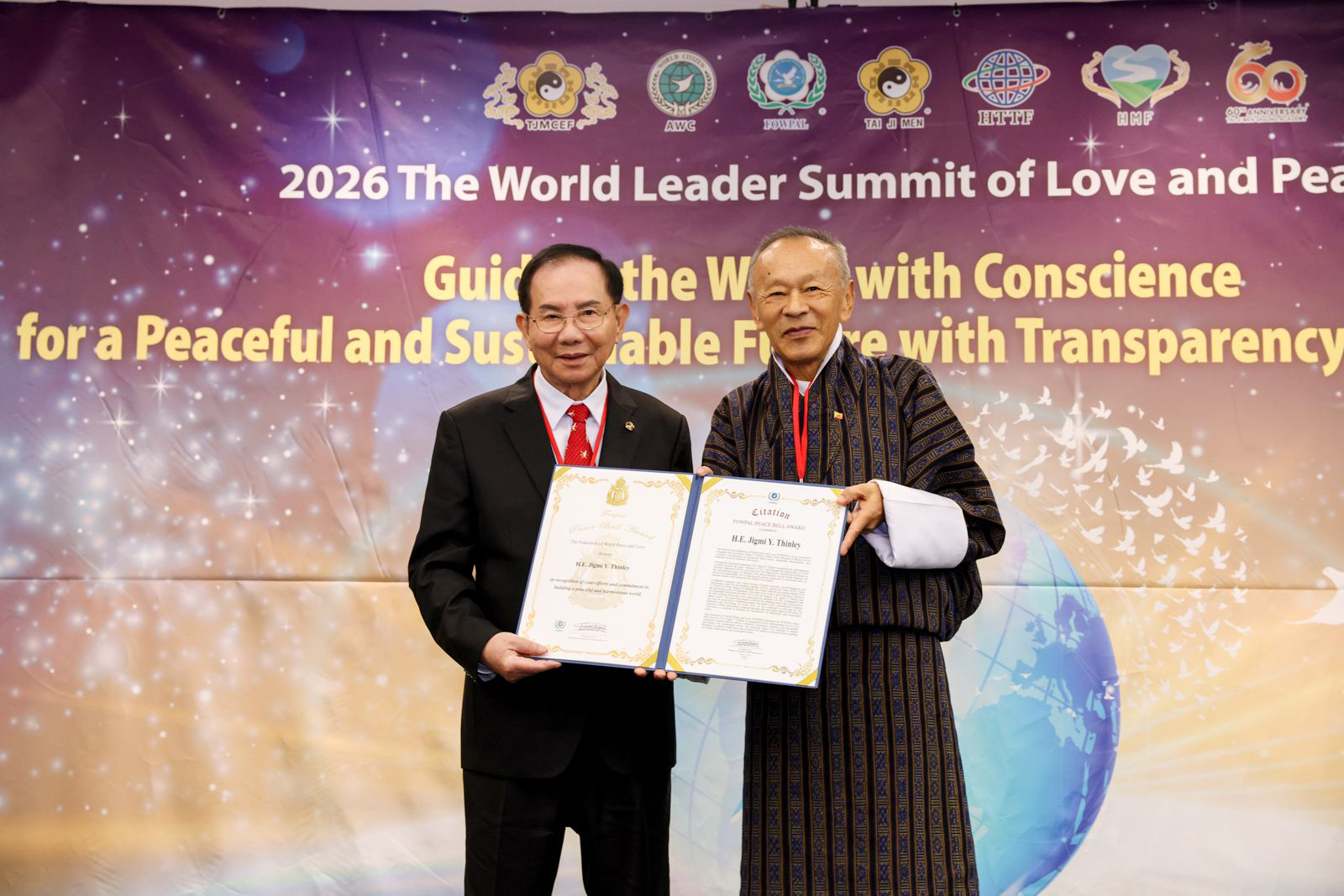 Former Prime Minister of Bhutan Jigmi Y. Thinley noted that today’s multidimensional global turmoil stems from humanity’s pursuit of a consumer-driven model of development that has harmed both the environment and society, as well as the failure of nations to recognize the reality of their interdependence and shared destiny. He described conscience as the quiet inner voice that asks, “What is the right thing to do?” and calls upon people to have the courage to temporarily set aside personal or national interests for the greater good of humanity. Thinley urged leaders to embrace their solemn responsibility to unite the world through transparency and integrity, mobilizing collective action to overcome global turmoil.
Former President of Croatia Ivo Josipović called for stronger multilateralism and reform of the United Nations. He expressed his hope that people would spread love rather than hatred, emphasizing the critical role of education—from schools and universities to clubs, conferences, and communities everywhere—in empowering people to resist hatred, totalitarianism, and anti-democratic practices that violate human rights. He also called for the promotion of the values of conscience, responsibility, friendship, and love.
 Jerry White, Founder of the Humane Leadership Academy and Co-Leader of the 1997 Nobel Peace Prize-winning International Campaign to Ban Landmines, which received the 1997 Nobel Peace Prize, noted that crises are unfolding everywhere at once, while people are moving too quickly to pause and reflect, potentially causing even greater harm. He therefore expressed his deep appreciation for the opportunity to slow down and consider some fundamental questions. White described the “Be, See, Do” framework as essential to transformation in turbulent times. He emphasized that integrity is about wholeness and remaining true to one’s values, while conscience is the inner compass that tells us when something is wrong. Together with transparency and accountability, these principles enable people to put “Be, See, Do” and “integrity, conscience, and transparency” into practice simultaneously—to be the change, see the change, and put the change into action with integrity and conscience.
Jonathan Granoff, President of the Global Security Institute, emphasized the immeasurable value of the voice of conscience. He called for the elimination of nuclear weapons and equal regard for all life, and proposed a Golden Rule for the 21st century: “Treat the lives and well-being of future generations as we ourselves would wish to be treated.” Granoff described the voice of conscience as a source of hope. Thanking Dr. Hong for ringing the bell, he called upon everyone to resonate in harmony with conscience, guided by wisdom and love.
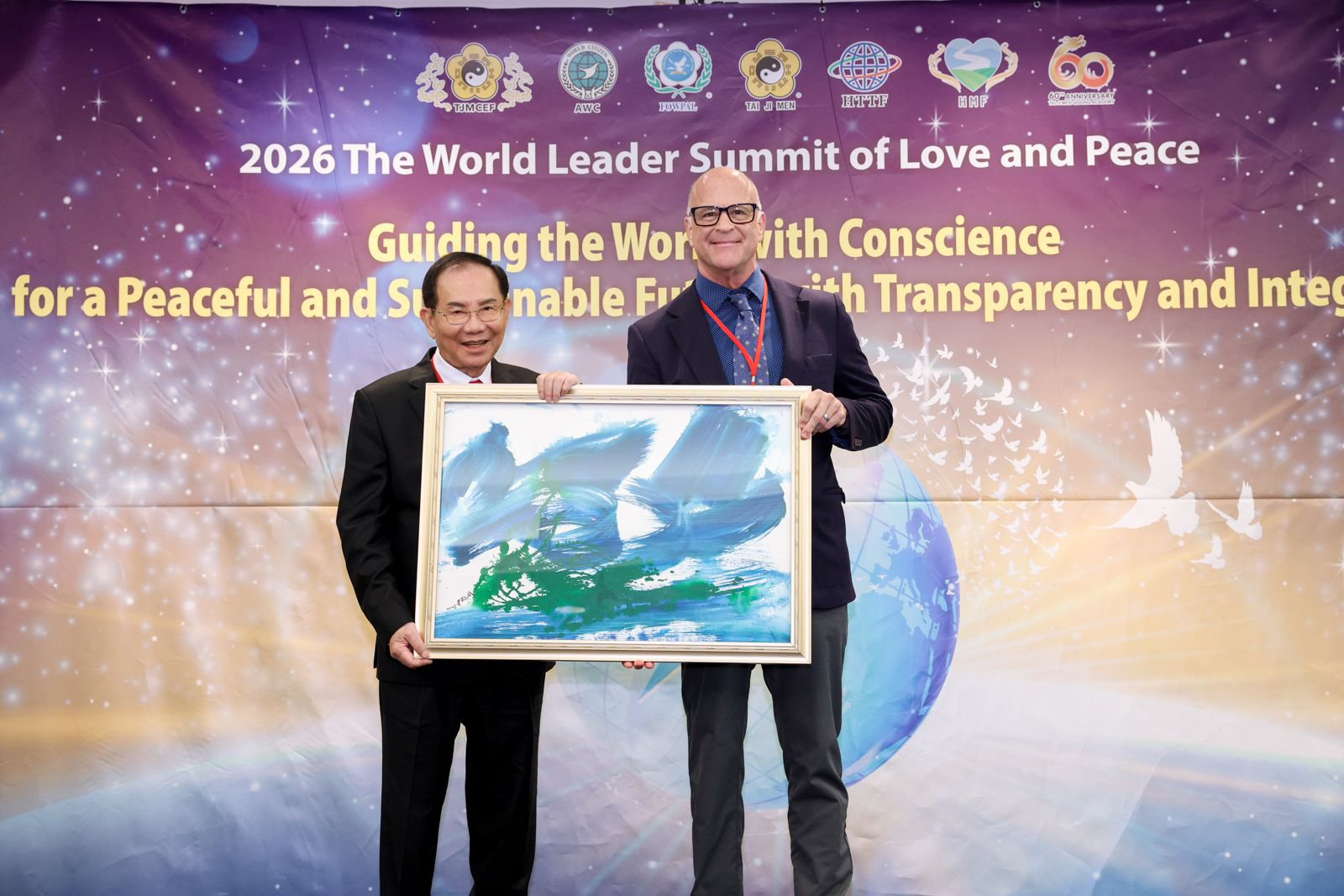 In addition, former Austrian Minister of Defence Dr. Werner Fasslabend emphasized the need to build a rules-based political order grounded in conscience and principles, noting that leaders should earn trust by acting in the broader interests of the global community and working toward a shared future. Former Surinamese Minister of Education Henry R. Ori, speaking via video, stressed that institutions must be infused with conscience and moral values. He called upon leaders to “lead our nations with a clear conscience, govern with absolute transparency, and act with unwavering integrity.” Massimo Introvigne, Editor-in-Chief of Bitter Winter, paid tribute to Dr. Hong’s lifelong commitment to conscience, transparency, and integrity. He emphasized that transforming a turbulent world “does not begin with grand declarations, but with cultivating conscience in the heart of every individual.” Willy Fautré, President of Human Rights Without Frontiers, stressed that the future humanity hopes for is possible, but “it will not happen by accident.” People must shape it themselves, he said, “with conscience to guide us, transparency to keep us accountable, integrity to keep us true to our principles, and peace as the common purpose that unites us all.” Hans Noot, Vice Director of Human Rights Without Frontiers, stated that “conscience is the inner source; transparency is the expression of conscience in public life; and integrity is the commitment to consistently live in accordance with conscience.” He concluded, “We are not merely talking about a peaceful and sustainable future. Together, we will build it.”
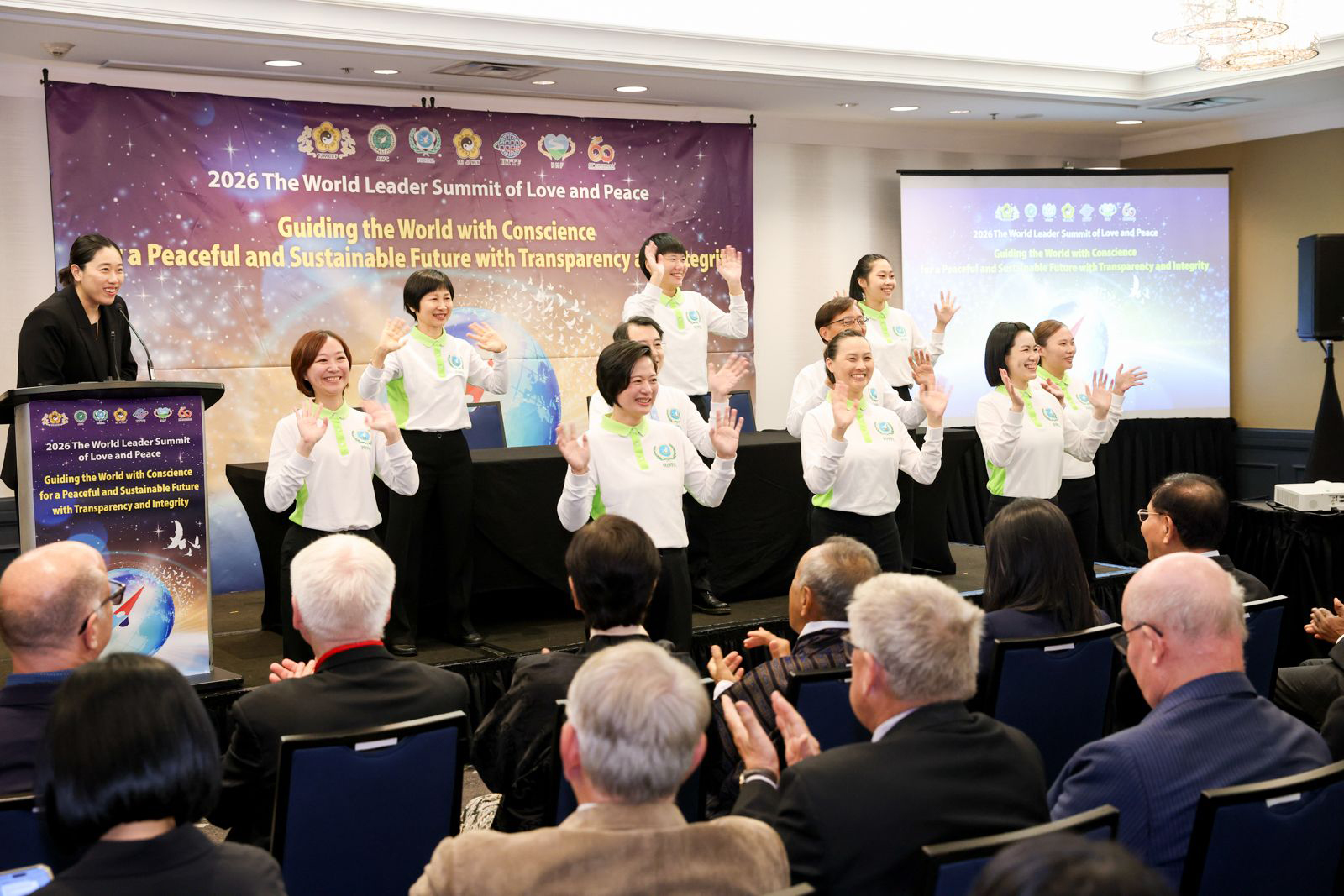
The summit concluded with an energetic performance of “We Are One World” by young FOWPAL volunteers, combining music and cultural presentations to demonstrate the power of unity across ethnic and cultural boundaries. As a vibrant international city where diverse cultures converge, Toronto provided a fitting platform for dialogue and exchange. Participants expressed a shared hope that the moral wisdom generated through the summit would be translated into everyday action, helping to build a safe, harmonious, and sustainable global home for future generations.