Global Leaders Convene at United Nations to Advance Human Wellbeing
FOWPAL Promotes Transparency and Integrity for Global Peace and Sustainability
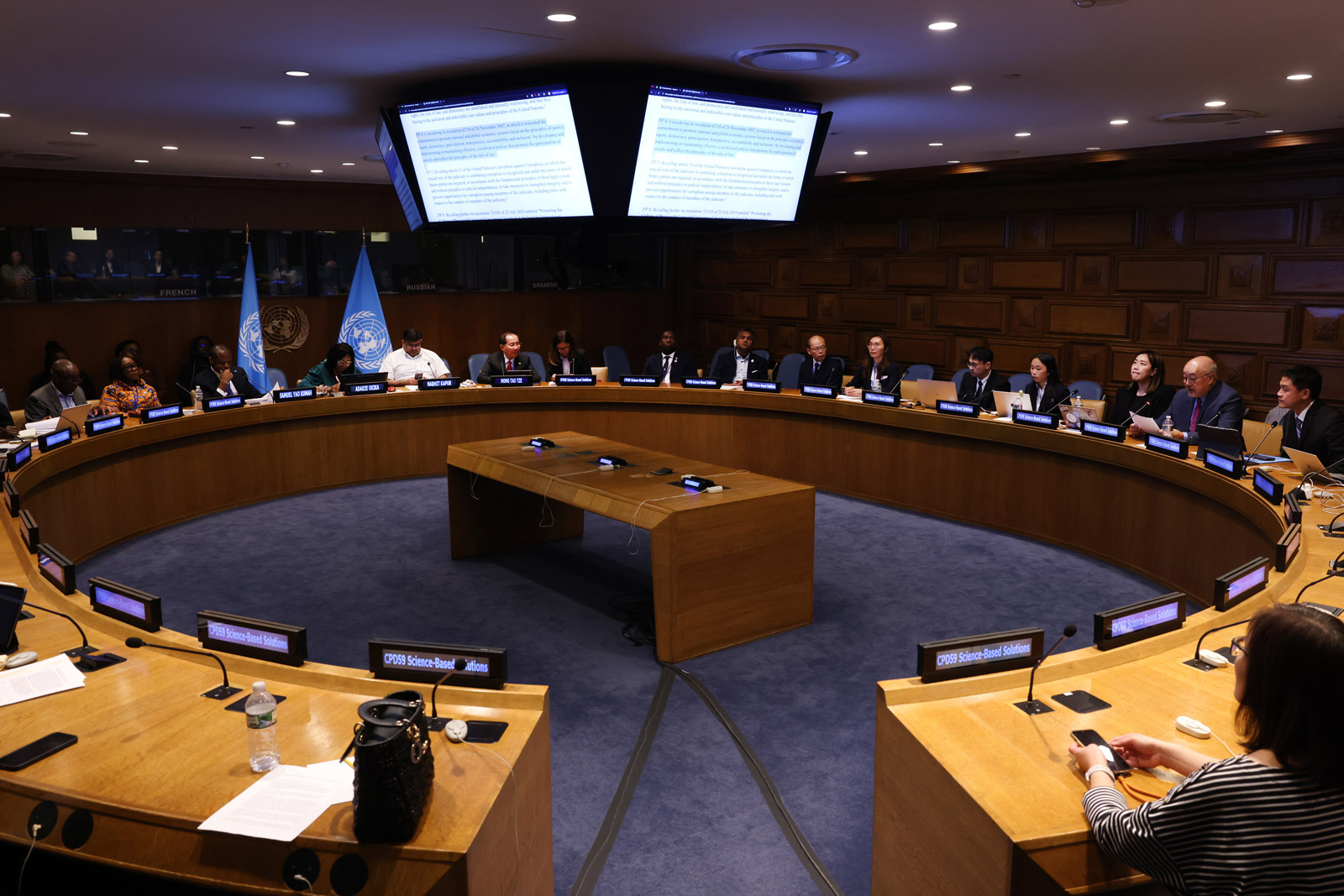
 In the face of growing global challenges and rising uncertainty, a powerful call for ethical leadership resonated at the United Nations in New York. The Permanent Mission of Ghana to the United Nations, the Permanent Observer Mission of the Pan-African Intergovernmental Agency for Water and Sanitation for Africa to the United Nations (WSA), the Federation of World Peace and Love (FOWPAL), and other organizations co-hosted a side event at the United Nations Headquarters on April 13, 2026, during the 59th session of the United Nations Commission on Population and Development (CPD59).
Held under the theme “Integrating Population Dynamics, Technology and Research for Sustainable Development: Advancing WASH Outcomes,” the conference was moderated by Prof. Ada Okika, Senior Adviser to the Permanent Observer Mission of WSA to the United Nations. It brought together ambassadors, diplomats, NGO leaders, and peace advocates from around the world, providing a vital platform for dialogue on ethical governance and global cooperation amid rapid technological transformation, geopolitical uncertainty, and mounting social challenges.
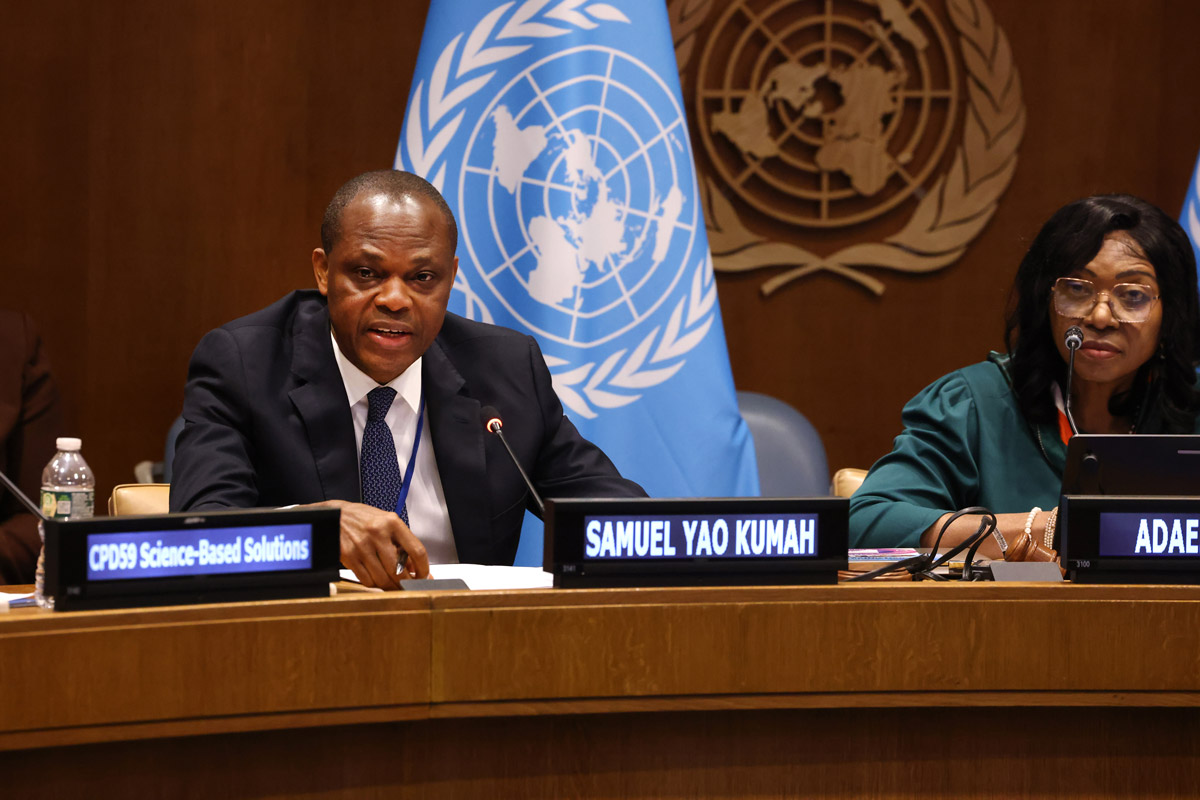
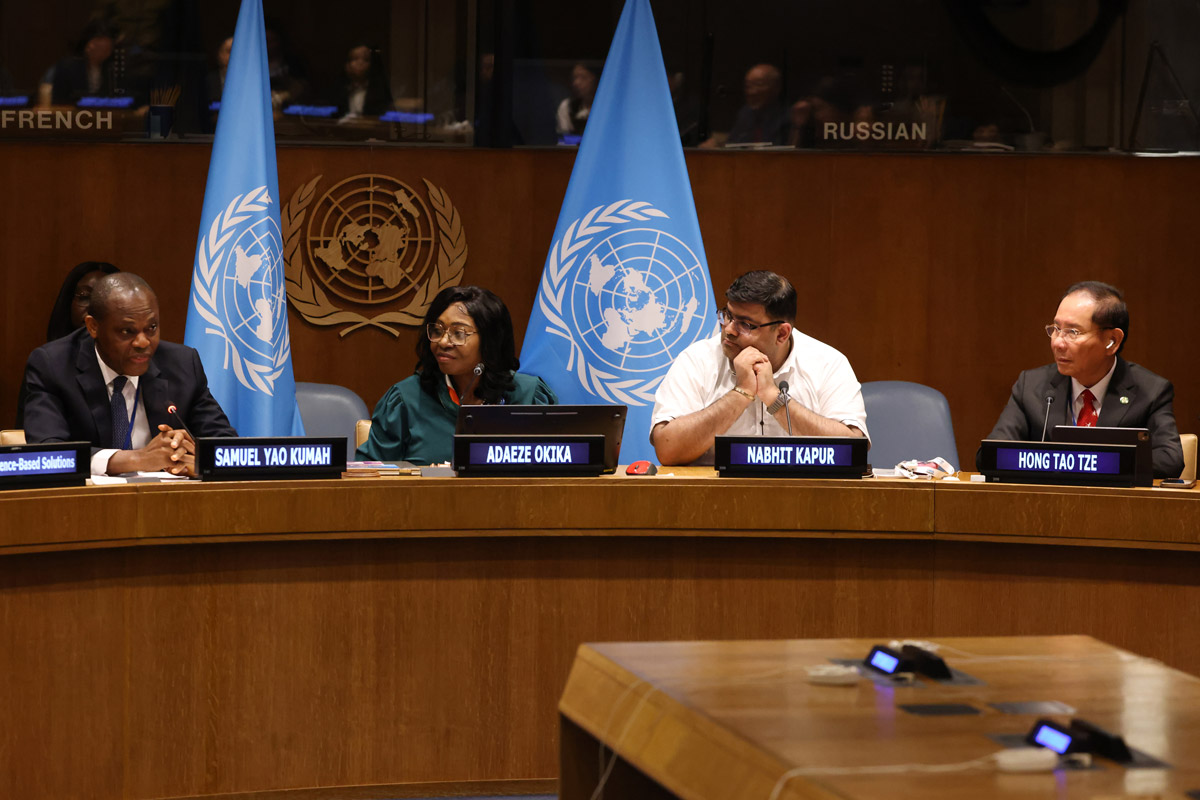
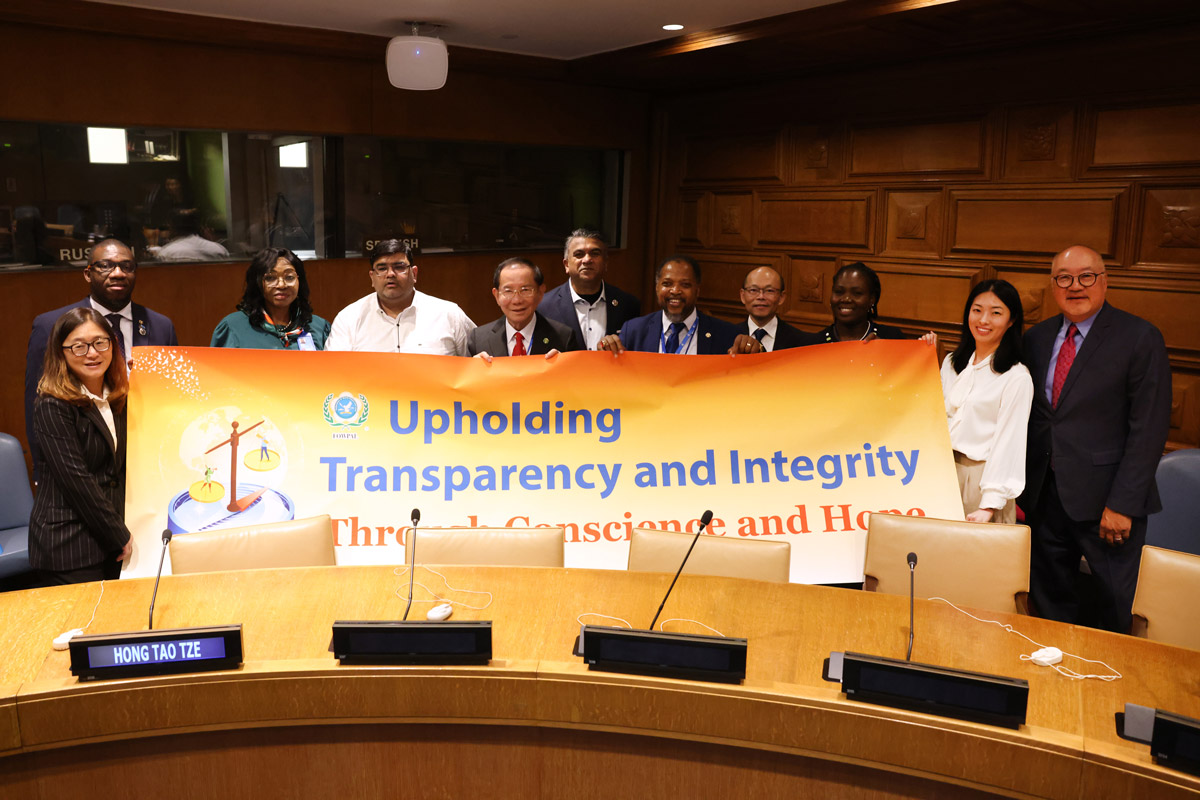
The conference opened with remarks from H.E. Samuel Yao Kumah, Ambassador of Ghana to the United Nations. He highlighted the urgent need to integrate population data, technology, and research to improve water, sanitation, and hygiene outcomes amid rapid population growth, urbanization, and environmental pressures, particularly in Ghana. He underscored the importance of cross-sector collaboration, partnerships, and inclusive approaches to achieve sustainable development goals, while enhancing efficiency, transparency, and accountability to deliver equitable and resilient solutions for communities.
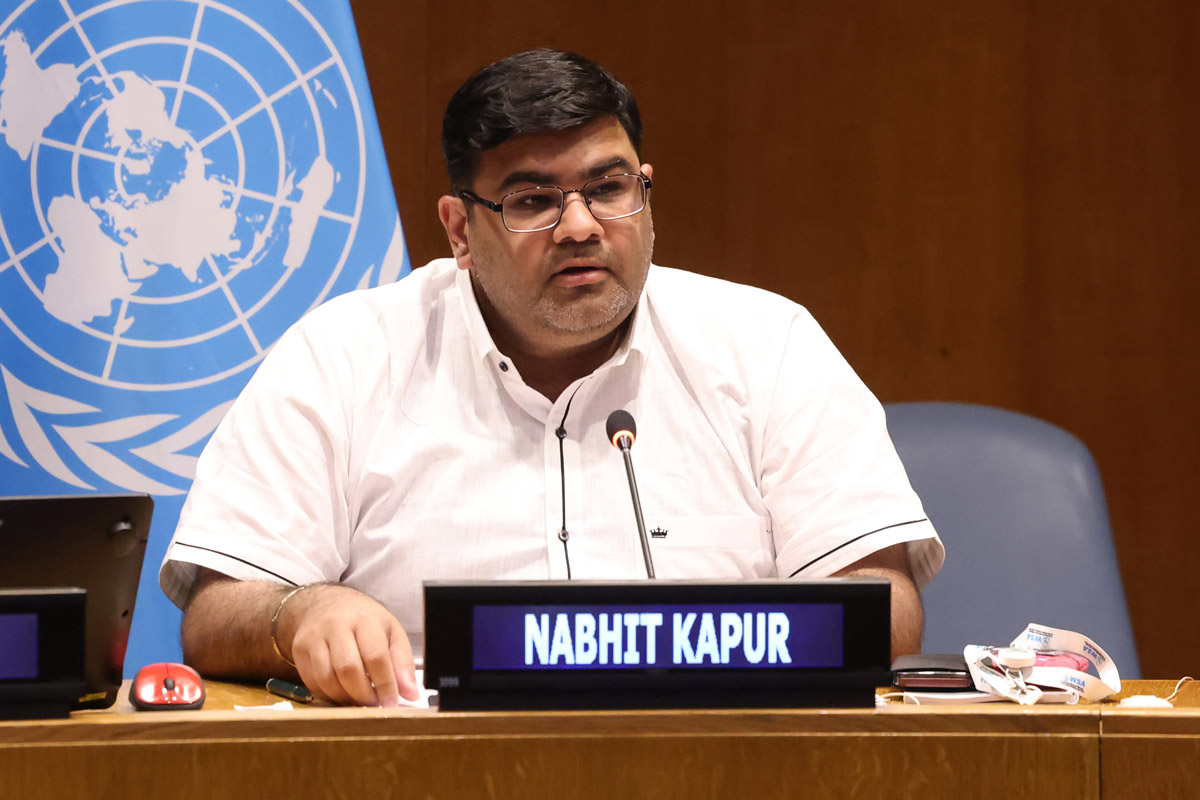
Dr. Nabhit Kapur, Permanent Observer of WSA to the United Nations, expressed appreciation to partners and emphasized the urgency of addressing water, sanitation, and hygiene (WASH) challenges amid Africa’s rapid population growth. Stressing the integration of population dynamics, technology, and research, he highlighted the need for inclusive, gender-responsive, and evidence-based solutions. He called for stronger partnerships and increased investment to ensure sustainable, resilient WASH systems and to achieve development goals without leaving anyone behind.
A keynote presentation was delivered by Ayaga Agula Bawah, Professor of Demography and Population Health at the Regional Institute for Population Studies (RIPS), University of Ghana, and a Research Affiliate of the Population Studies Center, University of Pennsylvania. His remarks explored the intersections of population dynamics, digital transformation, and sustainable development.
Distinguished speakers included Rohit Ramchandani, Innovation and Strategic Partnerships Officer at the United Nations University Institute for Water, Environment and Health, who addressed the role of innovation and strategic partnerships; Safuratu Andani, a civil and environmental engineer, who emphasized the importance of technology and data systems in advancing health, education, and governance; Dr. Angela El-Adas, Board Chair of Ghana’s National Population Council, who highlighted integrated approaches to development; and Dr. Devon Bannister, Advisor and Program Liaison for the Permanent Observer Mission of WSA to the UN, who spoke on technology for inclusion and evidence-based policymaking.
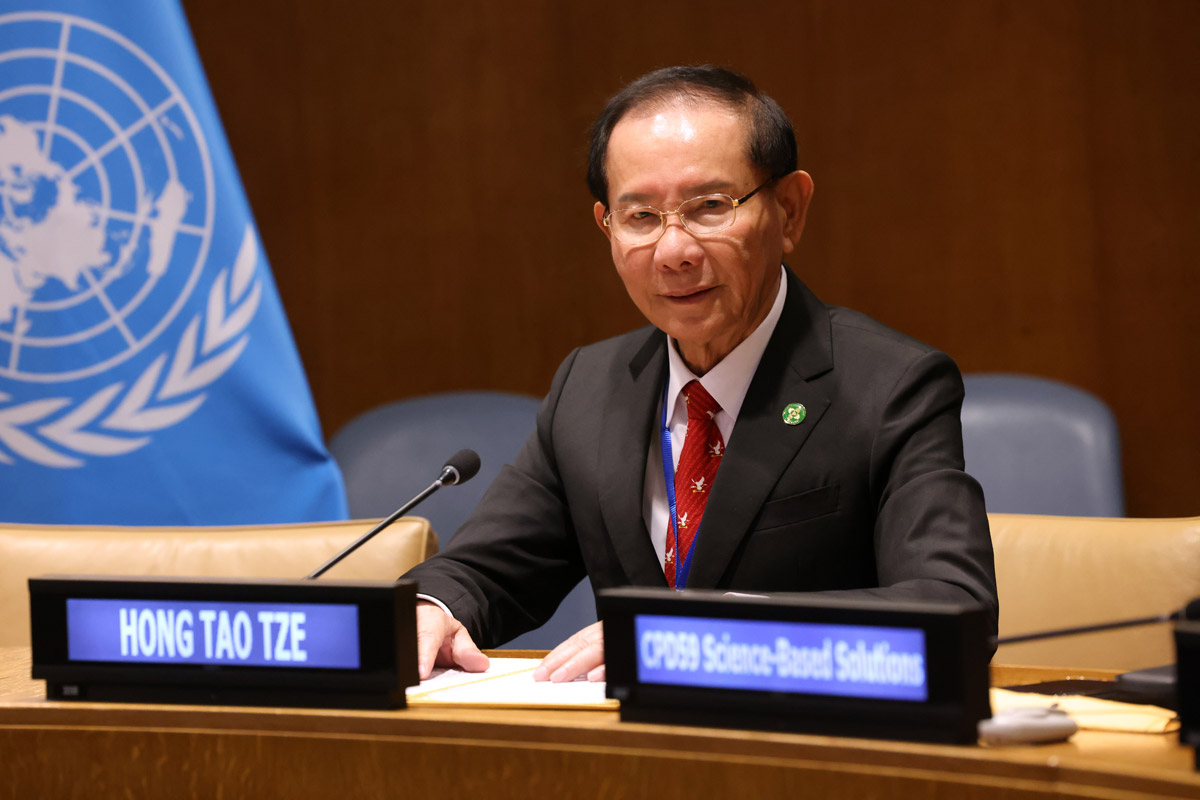
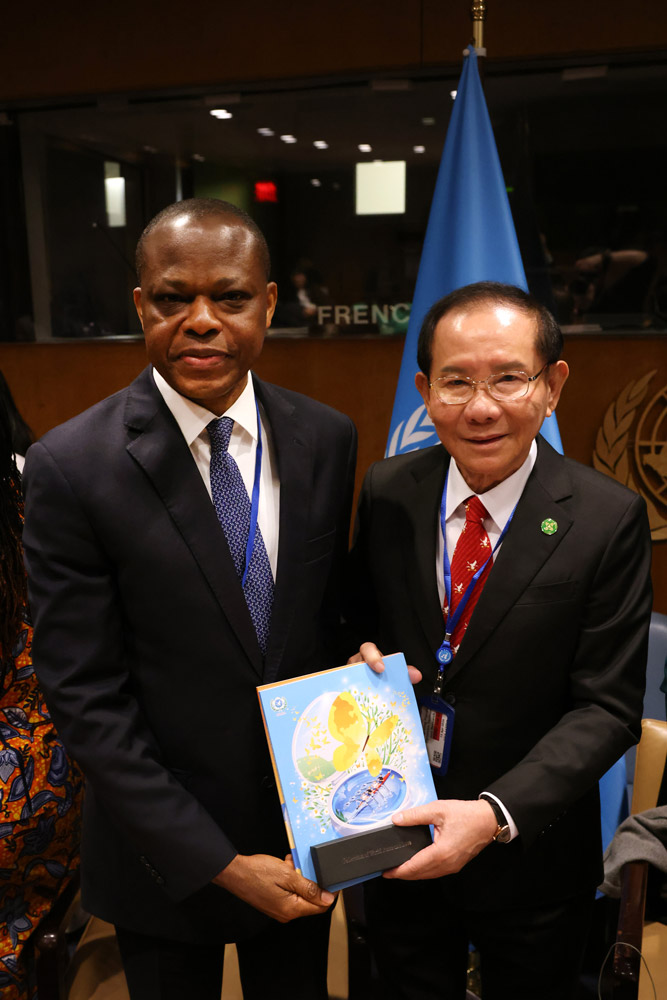
Dr. Hong, Tao-Tze, President of FOWPAL, delivered remarks emphasizing the critical role of ethical values in shaping the future. “In recent years, with the rapid advancement of artificial intelligence, humanity stands at a turning point in a new era, where opportunities and potential crises coexist,” he said. “Now more than ever, we must uphold conscience, transparency, and integrity as the foundation for building global peace and sustainability.”
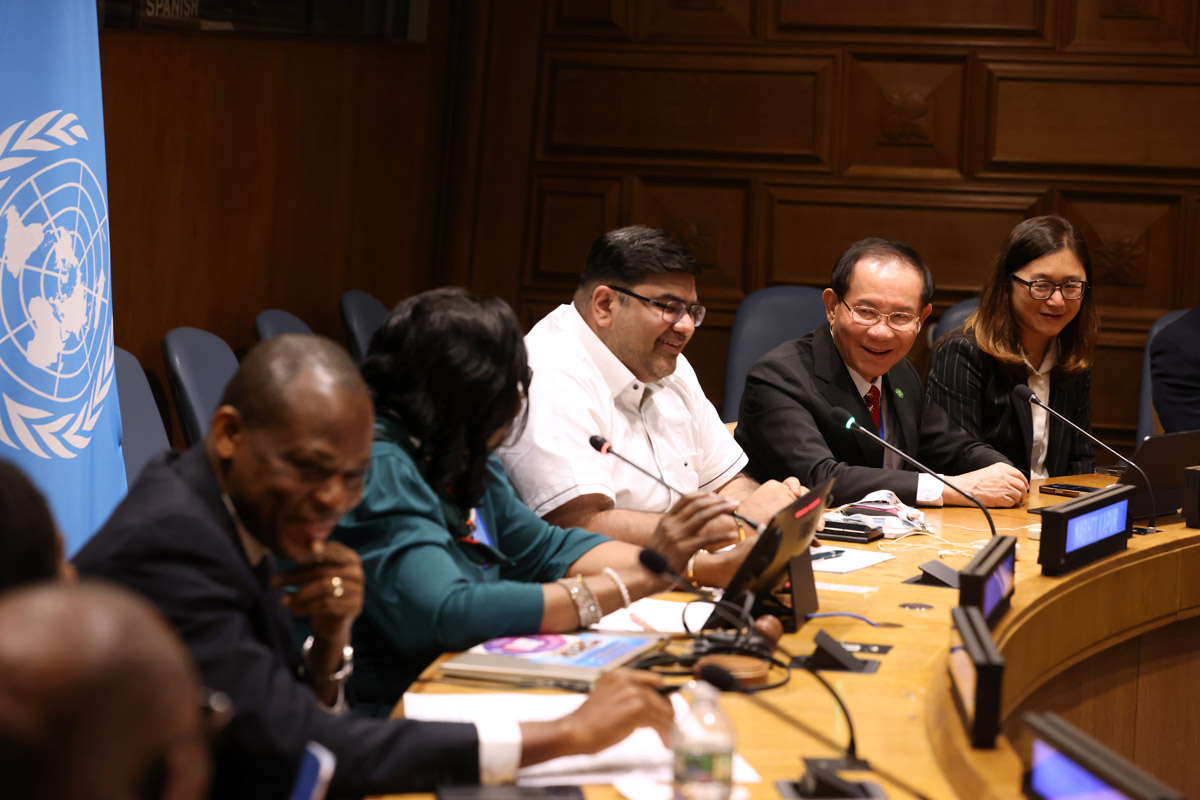
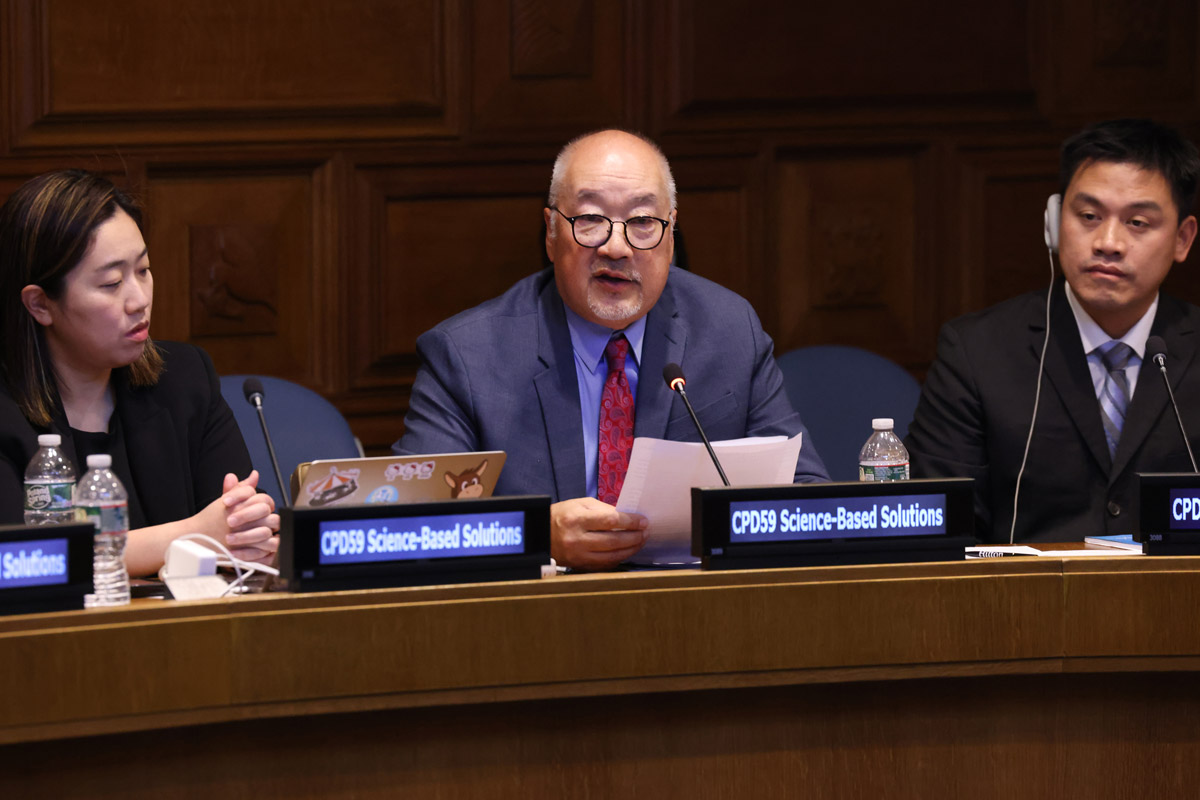
Dr. Hong invited participants to reflect on a fundamental question: how to create enduring value within finite lives and help humanity move toward a sustainable world of shared prosperity. He further called on all nations to work collaboratively—grounded in human dignity and guided by transparency and integrity—to advance human rights, fairness, and justice, strengthen trust and accountability, enhance governance effectiveness, and build a sustainable future of equality, harmony, and unity for all.
Dr. Donald Kwok, a gastroenterologist from Las Vegas, echoed Dr. Hong’s call for transparency and integrity, stating, “We need to come together as an international community and call for crucial changes around the world where transparency and integrity are much valued.”
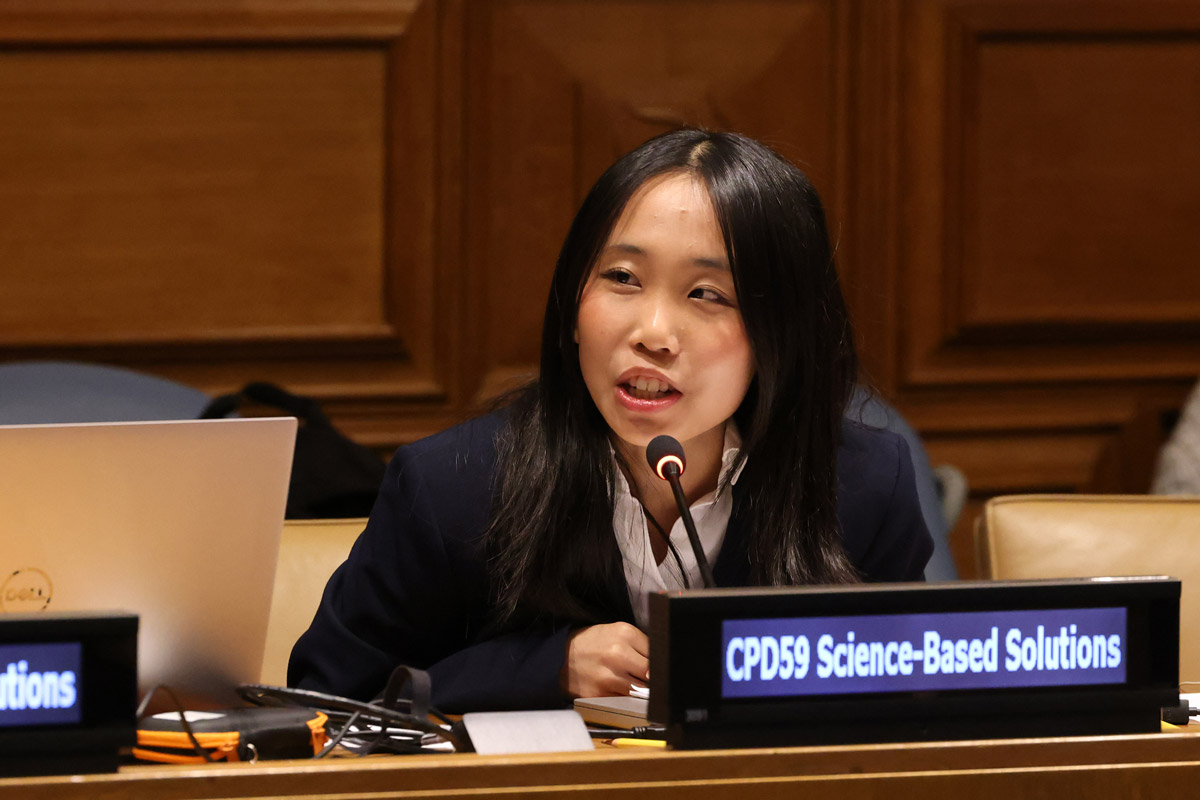
Michelle Shen, an 18-year-old incoming USC student majoring in Human Technology Interaction, spoke from the heart, expressing deep gratitude for the opportunity to learn from global changemakers. She shared how a UN meeting celebrating the International Day of Hope last July inspired her to become a changemaker herself. Reflecting the hopes and concerns of her generation in a deeply moving way, she highlighted youth anxieties about conflict and inequality, and emphasized that transparency and integrity are essential to building a hopeful future for her generation and those yet to be born.
Prof. Ada Okika expressed appreciation to FOWPAL for highlighting transparency as a fundamental human need, particularly in technology, education, and healthcare, and emphasized the importance of using technology as a tool to advance transparency. She expressed hope that the meeting would lead to meaningful outcomes to improve human well-being.
In closing, Ambassador Kumah expressed gratitude to FOWPAL for promoting transparency and integrity, noting that many global conflicts stem from a lack of trust. He emphasized the importance of openness and collaboration, urging all stakeholders to work together to rebuild trust and advance a more peaceful world.